Plan by season · 5 min read
Monsoon Ayurveda in Kerala: why the rains are the season
Why Kerala's Ayurveda centres call the monsoon their season, what Karkidakam means, what a rainy-season stay is really like, and how to choose a centre and travel safely in June to September.
Written by RetreatAdvisors editors · Updated October 2026
Quick answers
- Why is the monsoon the season for Ayurveda in Kerala?
- Tradition holds that the cool, damp, dust-free air of the rains makes the body most receptive to oil treatments, so Kerala's Ayurveda centres, and Kerala Tourism, call June to September the best season for rejuvenation therapies. The weather is mild, and centres are quieter than in winter.
- What is Karkidakam?
- The Malayalam month that falls roughly from mid-July to mid-August, at the height of the monsoon. Traditionally it's a time for rest, simple food, a medicated rice gruel (karkidaka kanji) and a course of Ayurvedic treatments.
- Is a monsoon Ayurveda stay cheaper?
- Often. Peak season in Kerala is December and January, when rooms cost most. 5 of the 23 monsoon-friendly centres we list say on their own sites that their monsoon rates are the lowest of the year.
- How long should a monsoon Ayurveda stay be?
- At least a week, and two to four weeks for Panchakarma. Of the 26 Ayurveda retreats we list in Kerala, 23 are at their best in the monsoon months by our research, and 17 of those publish a Panchakarma programme. Their typical minimum stay is 3 nights.
On this page
Why the rains are the season
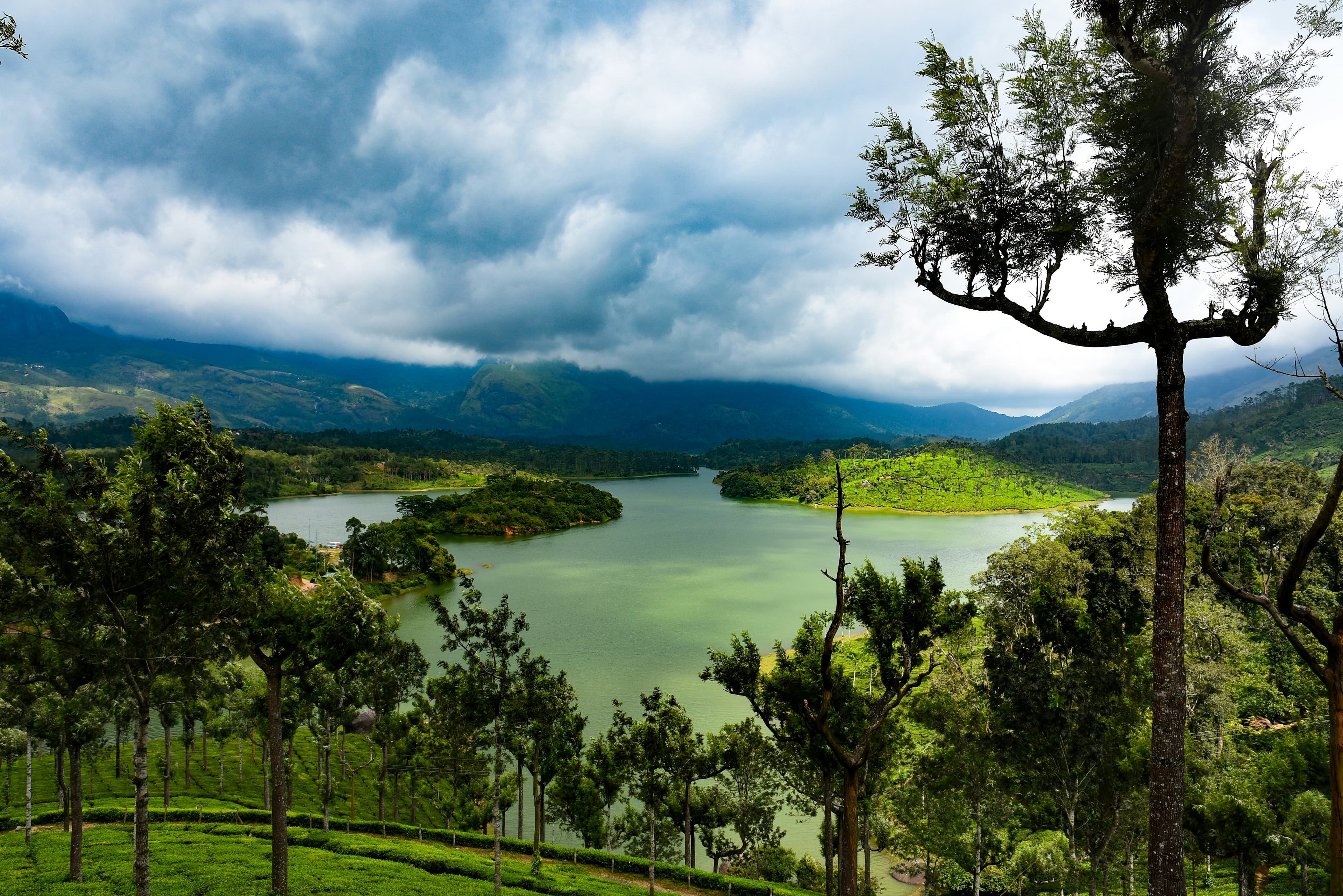
Most travellers avoid Kerala in the monsoon. Ayurveda does the opposite. Its tradition holds that the cool, moist, dust-free air of the rains opens the body to herbal oils and treatment, and that the body needs extra care in this season. Kerala's own tourism department describes the monsoon as the best time for rejuvenation therapies, and traditional performers have long had their treatments in the rains.
There are practical reasons too. Temperatures stay mild, the state is green and quiet, and the centres themselves are calmer, with more of the doctors' time to go round.
- June
- The southwest monsoon usually reaches Kerala in early June. Heavy bursts, then sunny breaks.
- July to mid-August
- Peak rains, and the month of Karkidakam: the classic time for a course of treatment.
- Late August to September
- Rain eases; a good compromise if you want some dry days.
Karkidakam, Kerala's month of rest
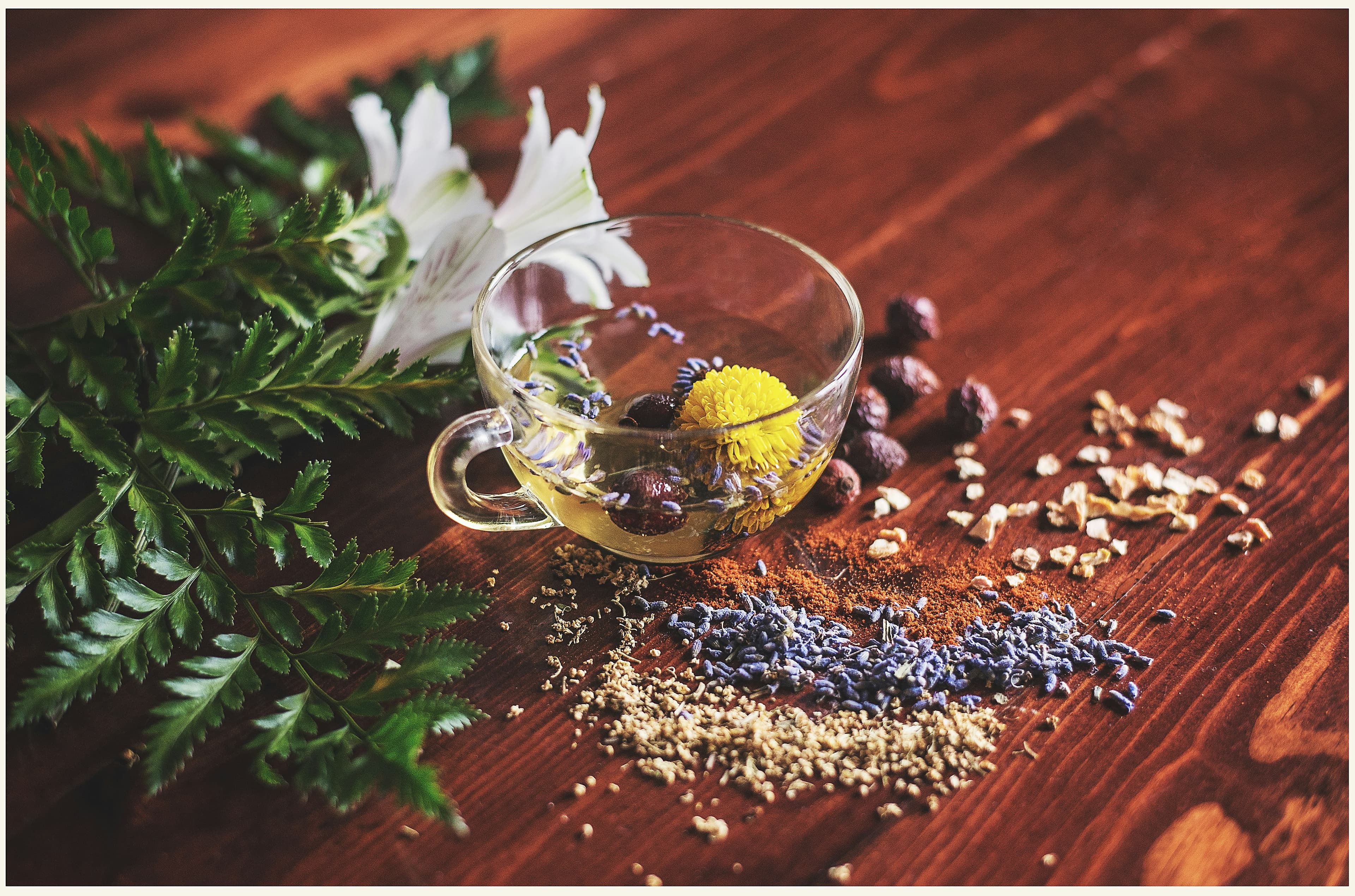
In Kerala homes, Karkidakam has long been a month to slow down. Families cook karkidaka kanji, a rice gruel simmered with herbs and spices, and many Hindu households read the Ramayana each evening, which is why it's also called Ramayana masam. Farm work used to pause in the heaviest rains, and people took the chance to rest and look after themselves.
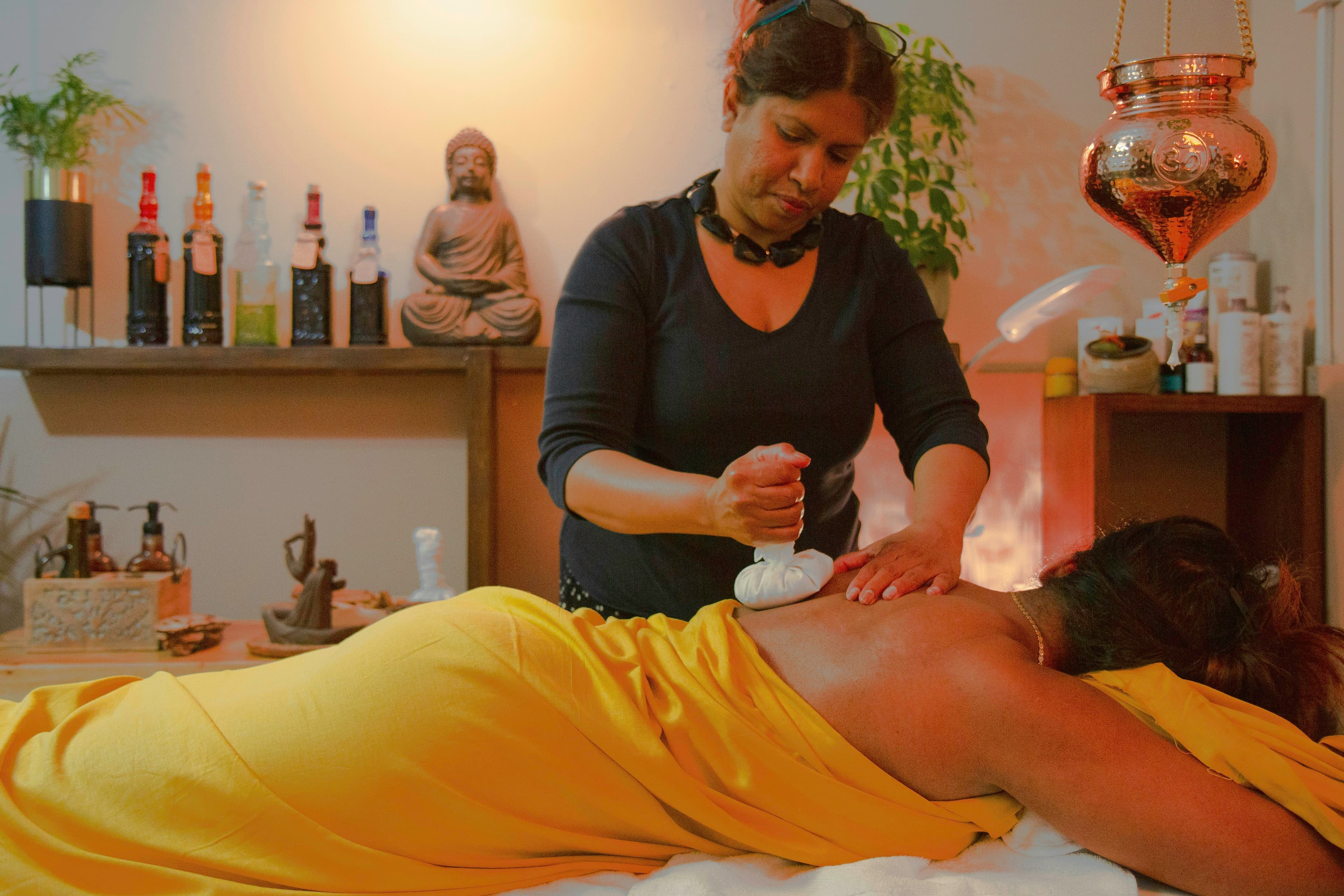
Ayurveda centres build on this with Karkidaka chikitsa: courses of oil massage, herbal steam, kizhi and a light diet, usually one to three weeks long. They're gentler than full Panchakarma and a good introduction if you're new to Ayurveda. The month follows the Malayalam calendar and shifts a little each year, so ask your centre when its programme starts.
What a rainy-season stay is like
- Rain in bursts. Downpours for an hour or a night, then breaks. Some days are grey from morning to night.
- Damp everything. Clothes take days to dry, and paper goes limp. Bring quick-dry clothes and zip-lock bags.
- A slower, inward stay. Walks and yoga move indoors; the treatments, rest and food become the whole day.
- No sea swimming. Kerala's seas are rough in the monsoon, and beaches fly red flags. Swim in the pool, if there is one.
- Power cuts and leeches in hill areas. Centres have backup power; bring a torch and socks for walks.
Choosing a centre
Of the 26 Ayurveda retreats we list in Kerala, 23 are at their best in the monsoon months by our research, and 17 of those publish a Panchakarma programme. They range from in-patient Ayurveda hospitals to beach resorts.
- The doctor matters most. Ask who will see you, their qualification (BAMS at least), and how often you'll see them.
- Hospital or resort. Hospitals are simpler, cheaper and more clinical; resorts add comfort and space to walk.
- Coast or inland. Beach centres near Kovalam and Varkala are breezy, with rough seas in the rains; inland centres near Thrissur and Palakkad are quieter.
- Kerala Tourism's classification. The state classifies Ayurveda centres that apply, and lists them on its site.
Read Panchakarma explained before you choose a programme, and browse Ayurveda retreats in Kerala with their best months and minimum stays.
Getting there, and staying safe
Kerala has four international airports: Kochi, Thiruvananthapuram, Kozhikode and Kannur. Trains run along the coast through Thrissur, Ernakulam and Kollam. Leave a buffer day either side of your stay, because monsoon flights and roads can be delayed.
What to pack for the monsoon
- Quick-dry, loose cotton clothes you don't mind staining with oil.
- A light rain jacket or poncho and a sturdy umbrella.
- Waterproof sandals and a spare pair of socks.
- Zip-lock bags for documents, phone and books.
- Insect repellent and a small torch.
Our packing guide has the full list.
Kerala Ayurveda centres at their best in the monsoon
Chosen from our listings by what this guide covers: 6 of 23. Nobody pays to appear here.
 Ayurveda
Kottakkal, Kerala
Monsoon pick: Ayurveda
Starts from
From ₹6,000 / day
 Ayurveda
 Ayurveda
Perumbaipadi, Kerala
Monsoon pick: Ayurveda
Typically
Typically ₹3k–10k / night


 Ayurveda
Kodumbu, Kerala
Monsoon pick: Ayurveda
Starts from
From ₹16,264 / night
- Video still
 Ayurveda
Pallikkara, Kerala
Monsoon pick: Ayurveda
Typically
Typically ₹3k–10k / night
 Ayurveda
Puthenthope beach, Kerala
Monsoon pick: Ayurveda
Starts from
From ₹8,600 / night
Common questions
Does it rain all day in the Kerala monsoon?
Rarely all day, every day. Expect heavy showers and stormy nights broken by dry spells. July is usually the wettest month; September is often lighter.
Can I sightsee during a monsoon Ayurveda programme?
Not much. Doctors usually ask you to rest, avoid sun and rain on oiled skin, and stay on site. Plan any sightseeing for before your programme starts.
Is monsoon Ayurveda only in Kerala?
No. Ayurveda centres in coastal Karnataka, the Nilgiris and around Coimbatore follow the same tradition. See Ayurveda retreats in India.
Is the monsoon a good time for a first Ayurveda stay?
Yes, if you don't mind the rain. Centres are calmer and doctors have more time. Read Ayurveda retreat basics first.
Ask people who've been
Real answers from the community, not the retreats' marketing.
Ayurveda & Panchakarma forumBrowse next
Sources
- Monsoon in Kerala (opens in a new tab) · Kerala Tourism, Government of Kerala
- Accredited Ayurveda centres in Kerala (opens in a new tab) · Kerala Tourism
- Weather warnings and forecasts (opens in a new tab) · India Meteorological Department
- Ayurvedic Medicine: In Depth (opens in a new tab) · National Center for Complementary and Integrative Health (NIH)
We wrote this guide in our own words from the sources above and our research on each retreat's official site. Nothing here is medical advice: talk to your own doctor about your health. Retreats change their rules, dates and prices, so confirm with them before you book. Spotted something out of date? Tell us.
Read next
All guides- First timers
Panchakarma explained: what happens, how long it takes, how to choose
A plain explanation of Panchakarma: the preparation, the main procedures and the slow return to normal food, how long programmes run in India, and how to choose a doctor-led centre safely.
6 min read
- First timers
Ayurveda retreat basics: the consultation, the routine, the food and the treatments
What to expect at an Ayurveda retreat in India, from the first consultation with the doctor to a typical day, the food, and what the common treatments actually feel like.
6 min read
- Practicalities
What retreats cost in India
Typical retreat prices in India, computed from the published starting prices of the 265 retreats we list (checked October 2026): by style, kind of retreat and region, with what's included and how to budget.
7 min read
Once a month
New course dates and what's in season, once a month
On the 1st: upcoming course dates, retreats at their best the month after, and the long weekends ahead. Free, and one tap to unsubscribe.