First timers · 6 min read
Panchakarma explained: what happens, how long it takes, how to choose
A plain explanation of Panchakarma: the preparation, the main procedures and the slow return to normal food, how long programmes run in India, and how to choose a doctor-led centre safely.
Written by RetreatAdvisors editors · Updated October 2026
Quick answers
- What is Panchakarma?
- Panchakarma (“five actions”) is a set of cleansing procedures in classical Ayurveda, done under an Ayurvedic doctor after several days of preparation with oil and steam, and followed by a gradual return to normal food.
- How long does Panchakarma take?
- Classical programmes usually run two to four weeks, because preparation and recovery take as long as the procedures. Of the 76 Ayurveda retreats we list, 52 publish a length for their Panchakarma programme: from 3 to 56 days, most often starting at 14.
- Is Panchakarma safe for everyone?
- No. Some procedures are strong and need medical supervision. A good centre examines you first and may suggest a gentler programme, or none. Talk to your own doctor before you book, especially if you have a health condition, take regular medicines or might be pregnant.
- Where should I do Panchakarma in India?
- At a centre where a qualified Ayurvedic doctor (BAMS or higher) sees you before, during and after treatment. Kerala has the most, but there are good ones in Karnataka, Tamil Nadu and Uttarakhand.
On this page
What Panchakarma is
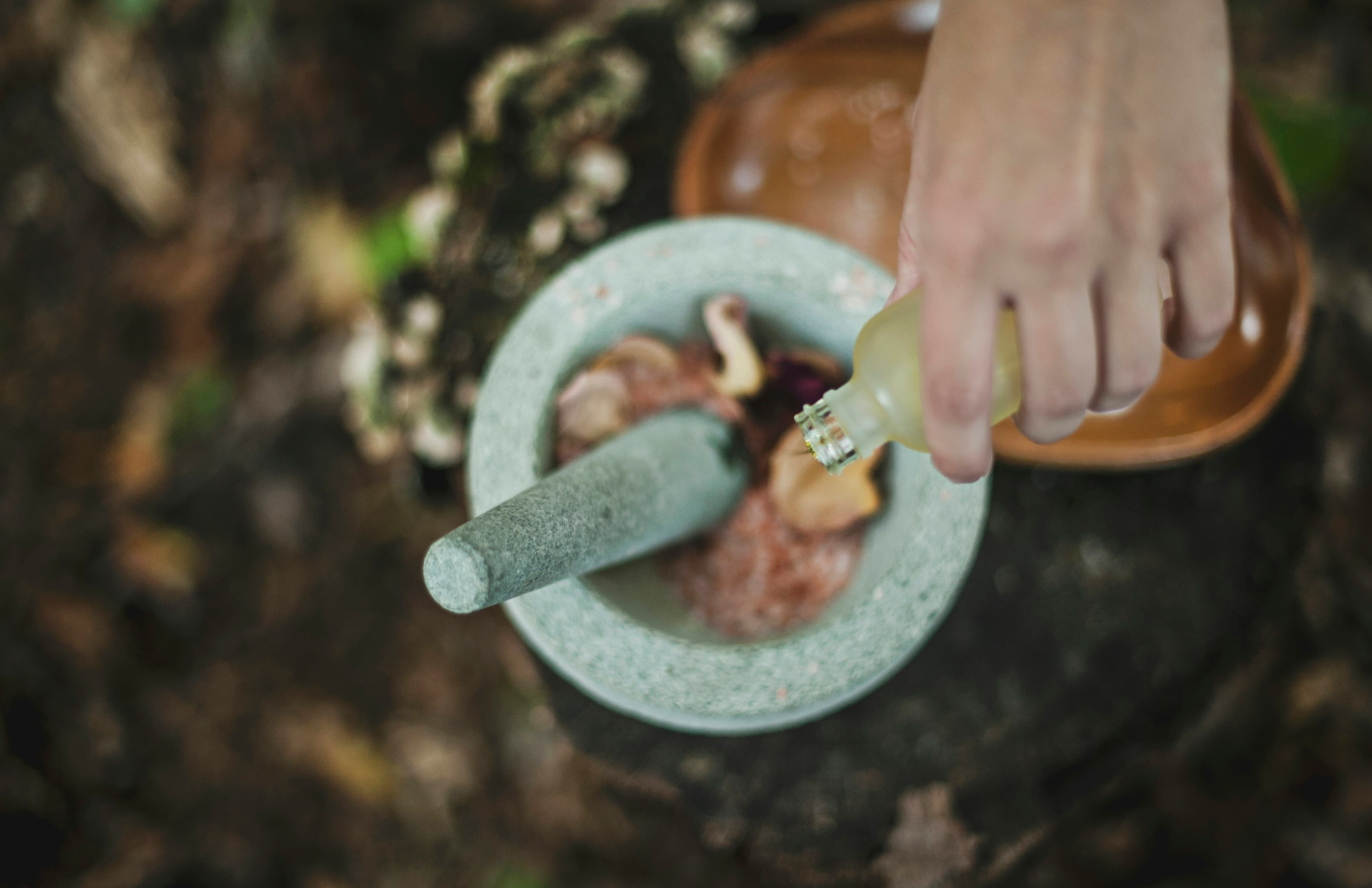
In Ayurveda, Panchakarma is the deepest of its treatment programmes. The name means “five actions”, after the five main procedures described in the classical texts. Ayurvedic theory holds that they clear out excess doshas (the body's three functional energies) so the body can return to balance. You'll often see it sold as a “detox”, which undersells how structured and medical a proper programme is.
A doctor decides which of the five you need. Very few people have all of them, and the choice depends on your constitution (prakriti), your current state, the season and your health history.
- Vamana
- Induced vomiting after preparation. Used for specific conditions and only with close supervision.
- Virechana
- A herbal purgative taken in the morning, followed by a day of rest near your room.
- Basti
- A course of medicated enemas of oil or herbal decoction, often over a week or more.
- Nasya
- Medicated oil or drops given through the nose, usually after a head and face massage with steam.
- Raktamokshana
- Removal of a small amount of blood. Rarely offered at retreats.
The three stages
A Panchakarma programme isn't just the five procedures. The days before and after matter as much, which is why it takes weeks rather than days.
- Preparation (purvakarma). For several days you take small, rising amounts of medicated ghee or oil by mouth, have daily oil massages (abhyanga) and sit in a herbal steam box. Expect to feel heavy, sleepy and a little queasy.
- The main procedures (pradhana karma). The doctor schedules the procedures chosen for you, with rest days around them. Some are done in the morning on an empty stomach; you then stay close to your room.
- Recovery (paschat karma). Your digestion is treated as delicate, so food comes back in steps: thin rice gruel first, then thicker gruel, then simple cooked meals over several days. You're asked to rest, avoid sun, cold water and exertion, and sleep early.
How long programmes run
Most centres set the length after the first consultation. Of the 76 Ayurveda retreats we list, 52 publish a length for their Panchakarma programme: from 3 to 56 days, most often starting at 14. Short “Panchakarma packages” of a week or less usually include only the preparation and one or two procedures; ask exactly what is included.
- Seven nights or fewer: usually rejuvenation treatments (massages, steam, shirodhara) rather than full Panchakarma.
- Fourteen nights: the common minimum for a classical programme with preparation, procedures and recovery.
- Twenty-one to twenty-eight nights: what many doctors suggest for a first full course, especially for long-standing problems.
Browse centres with their published programme lengths in Ayurveda and Panchakarma retreats in India, or narrow it to Kerala, Karnataka or Uttarakhand.
Choosing a centre
The single most important thing is the doctor. Panchakarma is a medical programme in Ayurveda, and the person planning it should be qualified to do so.
- A qualified Ayurvedic doctor. Ask who will see you and their qualification: BAMS (a five-and-a-half-year degree) at least, often with an MD (Ayurveda). Practitioners register with their state board under the National Commission for Indian System of Medicine (NCISM).
- Consultations through the stay, not just on arrival. Daily check-ins are normal at a good centre.
- Accreditation, where it exists. Some Ayurveda hospitals are accredited by NABH, India's hospital accreditation board, and Kerala's tourism department classifies Ayurveda centres that apply.
- Hospital or resort. In-patient Ayurveda hospitals are simpler, cheaper and more clinical. Resorts add comfort, pools and yoga. Both can be good; the doctor matters more than the décor.
- Same-gender therapists. This is standard at reputable centres. Ask if it isn't mentioned.
Our costs guide shows what Ayurveda retreats charge, from published prices.
Questions to ask before you book
- Who is the doctor, what is their qualification, and how often will I see them?
- Will you review my reports and medicines before I arrive?
- Which procedures do you expect to suggest, and how many days of preparation and recovery are included?
- Can I keep taking my regular medicines? (The answer should be yes, unless your own doctor changes them.)
- Where are the Ayurvedic medicines made, and is the maker licensed?
- What exactly does the price cover: room, food, consultations, treatments, medicines and taxes?
- What happens if I feel unwell during the programme?
Safety and your own doctor
The US National Center for Complementary and Integrative Health notes that some Ayurvedic preparations sold internationally have contained lead, mercury or arsenic. Ask what is in anything you're given to take, and keep the labels.
Be wary of any centre that promises a set outcome, says a programme will make a disease go away, or tells you to drop your other treatment. A good doctor explains what to expect, what they can't predict and when to see your regular doctor.
Retreats that list a Panchakarma programme
Chosen from our listings by what this guide covers: 6 of 52. Nobody pays to appear here.

 Naturopathy
Holta, Himachal Pradesh
Best Mar–Jun, Sep–Nov
Starts from
From ₹1,100 / day
 Ayurveda
Kottakkal, Kerala
Monsoon pick: Ayurveda
Starts from
From ₹6,000 / day

 Spiritual
- Video still
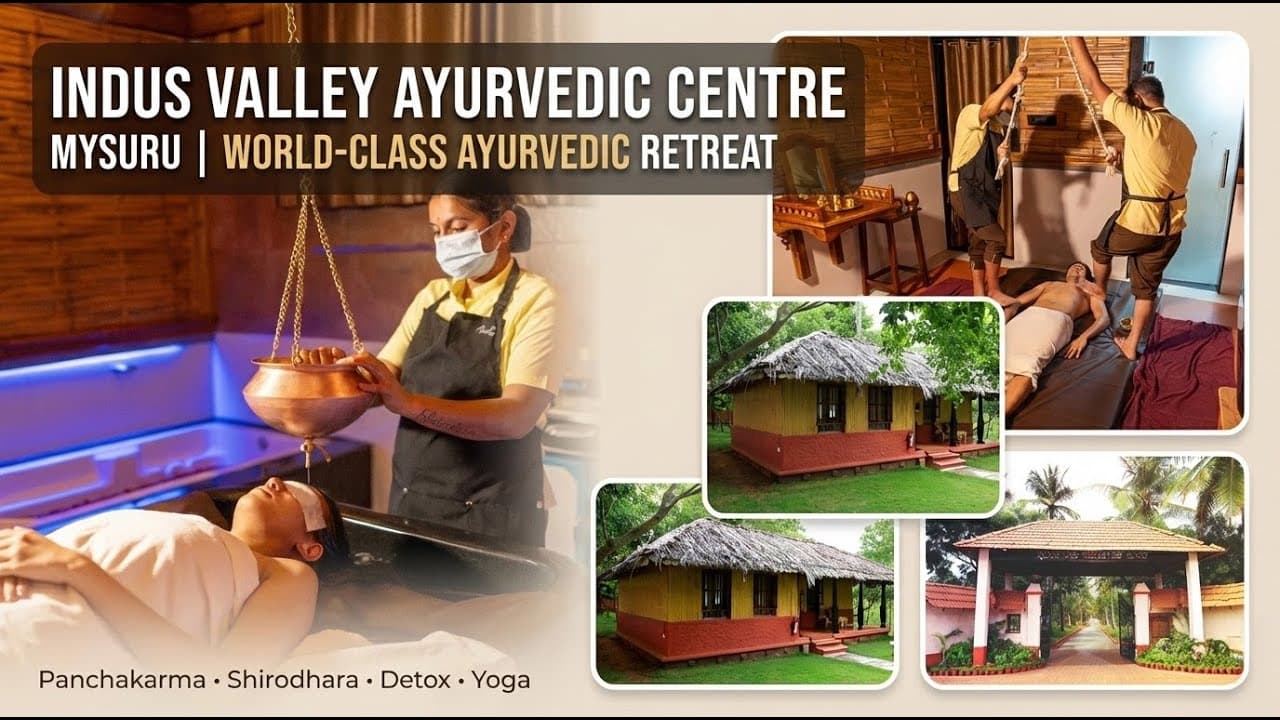 Ayurveda
Mysuru, Karnataka
Monsoon pick: Ayurveda
Typically
Typically ₹10k–25k / night
- Video still
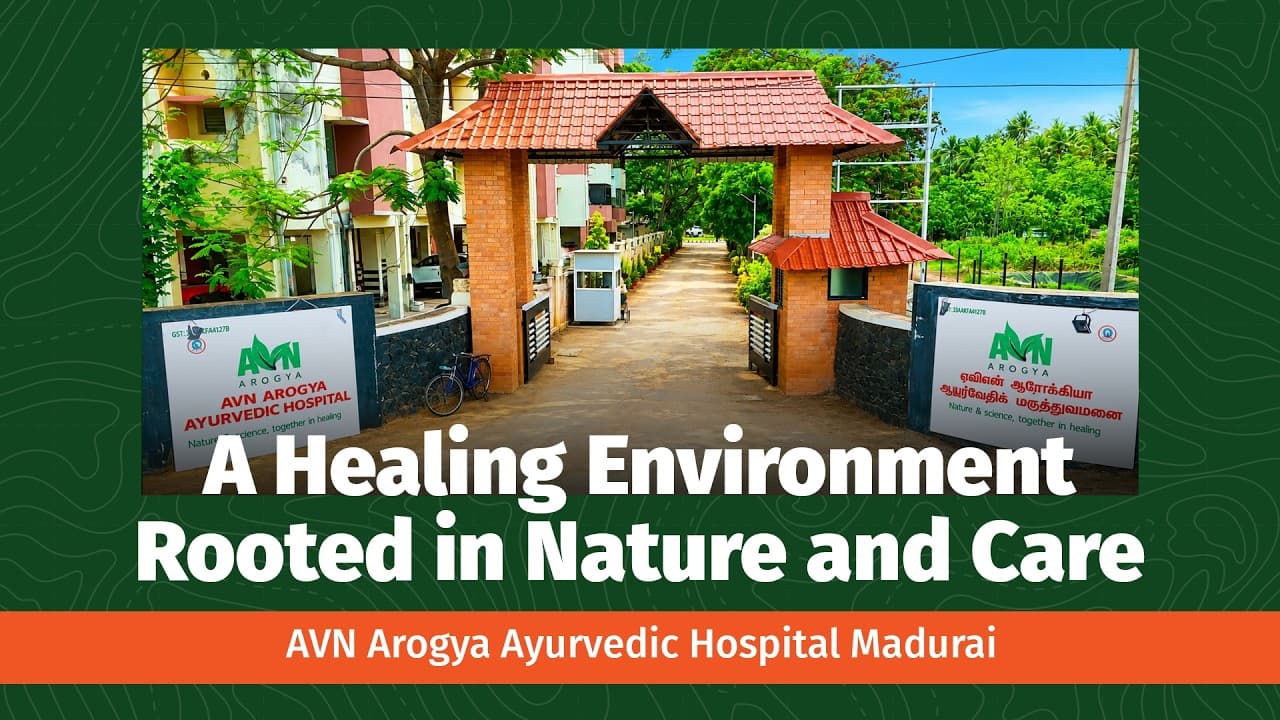 Ayurveda
Vilachery Main Road, Tamil Nadu
Best Nov–Feb
Starts from
From ₹6,000 / night
- Illustrative photoAyurveda
Kuthpady, Karnataka
Best Oct–Feb
Starts from
From ₹1,900 / night
Common questions
Does Panchakarma hurt?
The procedures aren't painful, but some are unpleasant, and the preparation (taking ghee by mouth, long oil sessions, sweating) can leave you tired and off your food. Most people find the massages and steam relaxing.
Can I work or use my phone during Panchakarma?
Doctors advise against both. Rest is part of the programme, and many centres ask you to stay on site, avoid screens late at night and sleep early.
What is the best season for Panchakarma?
Ayurveda traditionally favours the monsoon in Kerala (June to September), when centres also tend to be quieter. Mild months suit it too. See our guide to monsoon Ayurveda in Kerala.
Can I do Panchakarma on a weekend trip?
Not a classical one. Two or three nights is enough for a consultation and some rejuvenation treatments, but full Panchakarma needs preparation and recovery days.
What should I eat after Panchakarma?
Follow the diet the doctor gives you. It usually means simple, warm, freshly cooked vegetarian food for a week or two, and no alcohol, heavy or fried food in that time.
Ask people who've been
Real answers from the community, not the retreats' marketing.
Ayurveda & Panchakarma forumBrowse next
Sources
- Ayurvedic Medicine: In Depth (opens in a new tab) · National Center for Complementary and Integrative Health (NIH)
- Ministry of Ayush, Government of India (opens in a new tab) · Ministry of Ayush
- National Commission for Indian System of Medicine (opens in a new tab) · NCISM
- Accredited Ayurveda centres in Kerala (opens in a new tab) · Kerala Tourism
- Ayurvedic Hospital & Research Centre, Kottakkal: admission and consultation (opens in a new tab) · Arya Vaidya Sala, Kottakkal
We wrote this guide in our own words from the sources above and our research on each retreat's official site. Nothing here is medical advice: talk to your own doctor about your health. Retreats change their rules, dates and prices, so confirm with them before you book. Spotted something out of date? Tell us.
Read next
All guidesAyurveda retreat basics: the consultation, the routine, the food and the treatments
What to expect at an Ayurveda retreat in India, from the first consultation with the doctor to a typical day, the food, and what the common treatments actually feel like.
6 min read
Monsoon Ayurveda in Kerala: why the rains are the season
Why Kerala's Ayurveda centres call the monsoon their season, what Karkidakam means, what a rainy-season stay is really like, and how to choose a centre and travel safely in June to September.
5 min read
What retreats cost in India
Typical retreat prices in India, computed from the published starting prices of the 265 retreats we list (checked October 2026): by style, kind of retreat and region, with what's included and how to budget.
7 min read
Once a month
New course dates and what's in season, once a month
On the 1st: upcoming course dates, retreats at their best the month after, and the long weekends ahead. Free, and one tap to unsubscribe.