Practicalities · 5 min read
What to pack for a retreat in India, by kind and season
A practical packing list for a retreat in India: the basics for any stay, what changes for Vipassana, ashram, Ayurveda, yoga and Himalayan retreats, and what to add for summer, monsoon and winter.
Written by RetreatAdvisors editors · Updated October 2026
Quick answers
- What should I pack for a retreat in India?
- Loose, modest clothes, a warm layer, slip-on footwear, a torch, a refillable water bottle, your medicines with their prescriptions, a government photo ID and some cash. Most people pack too much: you'll wear the same few things.
- What should I wear at an ashram or a Vipassana course?
- Loose clothes that cover your shoulders, midriff and knees, in plain colours; some ashrams ask for white in classes. Nothing tight, see-through or revealing, and slip-on footwear because shoes come off at every door.
- What do I need for a winter retreat in the hills?
- Proper warm layers: thermals, a fleece or down jacket, a woollen cap and socks. Many Himalayan centres have no heating, and some ask you to bring a sleeping bag.
- Will I need my phone?
- Maybe not. 82 of the retreats we list ask you to hand your phone in for the stay, so bring an alarm clock, a paper list of emergency numbers and a printout of your travel bookings.
On this page
The basics, for any retreat
- Clothes for the stay, loose and modest, in breathable cotton or linen. Laundry is often available but slow, so plan for a few days between washes.
- A warm layer: a shawl or light fleece. Meditation halls and air-conditioned rooms are cold at 5 am, even in the south.
- Two pairs of footwear: slip-ons for going in and out of halls, and comfortable walking shoes.
- A small torch, for paths after dark and power cuts.
- A refillable water bottle. Most retreats have filtered water.
- Your medicines in their original packets, enough for the stay and a few extra days, with prescriptions.
- Toiletries: some centres ask for unscented products, so pack plain soap and skip strong perfume.
- Earplugs and an eye mask, if you share a room or sleep lightly.
- A small lock, insect repellent, sunscreen and a hat.
What changes with the kind of retreat
- Vipassana and silent retreats
- An alarm clock that isn't your phone, a shawl for the hall, and very plain clothes. No books, journals or music: they aren't allowed. Read your first Vipassana course.
- Ashrams
- Modest clothes, white if the ashram asks for it, slip-on sandals, and cash for a donation at the office. See ashram etiquette.
- Ayurveda
- Old, dark, loose clothes you don't mind ruining with oil, a cap or scarf for oily hair, and flip-flops. Bring your medical reports for the doctor. See Ayurveda retreat basics.
- Yoga
- Breathable practice clothes for two classes a day. Mats are usually provided; bring your own if you're particular, plus a strap or small towel.
- Himalayan retreats
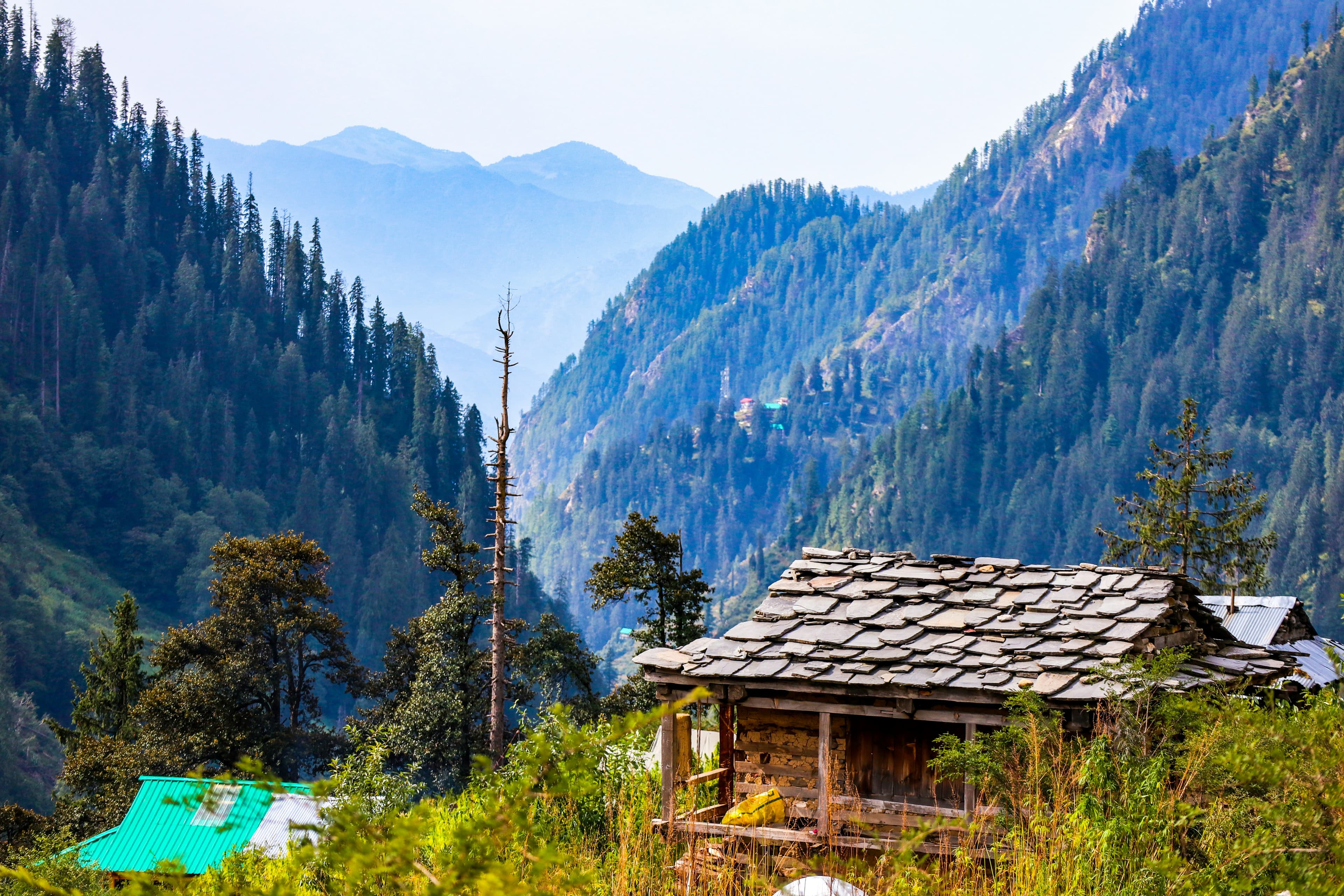
- Layers for days that swing from warm to cold, a rain jacket, shoes with grip, and a sleeping bag where the centre asks for one. We list 51 retreats in the Himalayas and around Rishikesh.
What to add for the season
| Season | Add these |
|---|---|
| Summer (Mar–Jun) | Light cotton with long sleeves, a wide hat, sunscreen, sunglasses and oral rehydration sachets. In the hills, still a warm layer for nights. |
| Monsoon (Jun–Sep) | Quick-dry clothes, a rain jacket or poncho, an umbrella, waterproof sandals, spare socks, zip-lock bags to keep clothes dry and away from mould, and insect repellent. |
| Winter, north and hills (Dec–Feb) | Thermals, a fleece and a down jacket, a woollen cap, gloves and socks, a hot water bottle, moisturiser and lip balm. |
| Winter, south and coast (Dec–Feb) | Light clothes, plus one warm layer for early mornings and air-conditioned halls. |
Each retreat page has a “when to go” note with its best months. For the colder months, read our guide to winter retreats in the Himalayas.
Documents and money
- Photo ID: Aadhaar, passport, voter ID or driving licence. Most retreats ask for it at check-in.
- Overseas guests: your passport and visa. Hosts must register foreign guests, so they'll ask for copies.
- Your booking or confirmation email, printed or saved offline.
- Emergency contacts on paper, in case your phone is handed in or dies.
- Health insurance details, and a short note from your doctor if you have a condition the retreat should know about.
- Some cash in small notes. UPI works almost everywhere, but not when your phone is in a locker.
What to leave at home
- Jewellery and valuables you'd hate to lose.
- A laptop, unless you truly need it. Many retreats have little or no Wi-Fi.
- Alcohol, cigarettes and non-vegetarian snacks: not allowed at most retreats. 196 of the retreats we list say their food is vegetarian or sattvic.
- Revealing or tight clothes, and anything with loud slogans.
- Strong perfume and scented products.
Health and medicines
Remote retreats can be hours from a hospital. Note where the nearest one is, and keep a basic first-aid kit: plasters, antiseptic, rehydration sachets, and anything your doctor suggests.
Retreats that suit a first stay
Chosen from our listings by what this guide covers: 6 of 92. Nobody pays to appear here.

 Yoga
Tapovan, Uttarakhand
Best Feb–Apr, Oct–Dec
Starts from
From ₹2,600 / night


 Yoga

 Meditation
Udayapura, Karnataka
Best Sep–Feb
Typically
Typically Under ₹3k / night


 Ayurveda
Kodumbu, Kerala
Monsoon pick: Ayurveda
Starts from
From ₹16,264 / night
- Video still
 Yoga
 Meditation
Common questions
Do retreats provide yoga mats and meditation cushions?
Most do. Bring your own mat only if you're particular about it, or if the retreat says to. Meditation halls usually have cushions, and many can arrange a chair or back support.
Can I wear shorts or sleeveless tops?
Not at ashrams, Vipassana centres or temples, and not in town around them. Some beach and boutique retreats are relaxed about it, but modest clothes are always safe.
Is there laundry at retreats?
Often, for a small charge, or a place to wash clothes by hand. In the monsoon things dry slowly, so pack quick-dry clothes.
Should I bring snacks?
Check first. Many retreats, especially ashrams and Vipassana centres, don't allow outside food, and Ayurveda centres plan what you eat. Simple fruit is usually fine for the journey.
Ask people who've been
Real answers from the community, not the retreats' marketing.
Planning & getting there forumBrowse next
Sources
- Code of Discipline (clothing and what not to bring) (opens in a new tab) · Dhamma.org
- Weather and when to visit (opens in a new tab) · Tushita Meditation Centre, Dharamkot
- Ashram guidelines (dress) (opens in a new tab) · Parmarth Niketan, Rishikesh
- India Meteorological Department (opens in a new tab) · IMD, Ministry of Earth Sciences
We wrote this guide in our own words from the sources above and our research on each retreat's official site. Nothing here is medical advice: talk to your own doctor about your health. Retreats change their rules, dates and prices, so confirm with them before you book. Spotted something out of date? Tell us.
Read next
All guidesHow to choose a retreat in India: goal, style, budget, season and distance
A step-by-step way to choose a retreat in India, from what you need to style, budget, season and distance, with the questions to ask before booking and the red flags that should make you walk away.
5 min read
Your first Vipassana course: the 10 days, explained
What a 10-day Vipassana course in the tradition of S.N. Goenka involves, from the 4 am bell to the day silence ends, plus how to apply and choose a centre in India.
9 min read
Winter retreats in the Himalayas: what's open, what closes, and how to stay warm
Which Himalayan retreats close for winter and which stay open, computed from their own season notes, why Rishikesh and the foothills suit December to February, and how to travel and stay warm.
7 min read
Once a month
New course dates and what's in season, once a month
On the 1st: upcoming course dates, retreats at their best the month after, and the long weekends ahead. Free, and one tap to unsubscribe.