First timers · 9 min read
Your first Vipassana course: the 10 days, explained
What a 10-day Vipassana course in the tradition of S.N. Goenka involves, from the 4 am bell to the day silence ends, plus how to apply and choose a centre in India.
Written by RetreatAdvisors editors · Updated October 2026
Quick answers
- How long is a Vipassana course?
- Ten full days of meditation inside a stay of about 12 days. You arrive the afternoon before Day 1 and leave early on the morning after Day 10, and you commit to the whole course when you apply.
- Is it really free?
- Yes. There is no charge for the teaching, food or room. Courses run on donations from people who have already finished a 10-day course. You may give at the end if you wish; nobody asks.
- Can I talk during the course?
- Not with other students. Noble silence (no talking, gestures or notes) runs from the first evening to the morning of Day 10. You can speak to the teacher about the practice and to the management about practical needs.
- Can I keep my phone?
- No. Phones, smartwatches, books, notebooks and pens are handed in on arrival and returned when the course ends.
- How do I apply?
- See upcoming 10-day course dates on our calendar, then choose a centre and dates on dhamma.org, fill in that centre's form honestly, including your health history, and wait for confirmation. Popular centres and winter dates fill up weeks ahead.
On this page
What a Vipassana course is
When people in India say “doing a Vipassana”, they almost always mean a 10-day residential course in the tradition of S.N. Goenka. The courses are held at centres with Pali names that start with “Dhamma” (Dhamma Giri in Igatpuri is the best known), and they follow the same timetable and rules everywhere. The instructions come from Goenka's recorded talks, with an assistant teacher present to answer questions about the practice.
The course is a training, not a holiday. For the first three days you practise Anapana, keeping your attention on the breath. From Day 4 you learn Vipassana itself: observing sensations through the body without reacting to them. There is no chanting to learn, no belief to sign up to, and nothing to buy. We list 77 Vipassana centres across 22 states, and all of them list their courses as free or donation-based.
The daily timetable
Every day from Day 1 to Day 9 follows the same schedule, published in the course's Code of Discipline. Roughly ten hours are spent meditating, in the hall or in your room.
| Time | What happens |
|---|---|
| 4:00 am | Wake-up bell |
| 4:30–6:30 am | Meditate in the hall or your room |
| 6:30–8:00 am | Breakfast and rest |
| 8:00–9:00 am | Group sitting in the hall |
| 9:00–11:00 am | Meditate in the hall or your room, as the teacher says |
| 11:00 am–1:00 pm | Lunch, rest, and time to see the teacher |
| 1:00–2:30 pm | Meditate in the hall or your room |
| 2:30–3:30 pm | Group sitting in the hall |
| 3:30–5:00 pm | Meditate in the hall or your room, as the teacher says |
| 5:00–6:00 pm | Tea break |
| 6:00–7:00 pm | Group sitting in the hall |
| 7:00–8:15 pm | Evening talk (recorded discourse) |
| 8:15–9:00 pm | Group sitting in the hall |
| 9:00–9:30 pm | Questions to the teacher in the hall |
| 9:30 pm | Back to your room; lights out |
How the ten days unfold
- Day 0, arrival
- Register in the afternoon, hand in your phone and valuables, eat a light dinner and hear the first talk. Noble silence starts that evening.
- Days 1–3
- Anapana: attention on the breath around the nostrils. This is when most people meet their restless mind, sore knees and the urge to leave.
- Day 4
- Vipassana is taught in the afternoon. The attention moves through the body, part by part.
- Days 5–9
- The same practice, deepening. The three daily group sittings become sittings of “strong determination”, where you try not to move for the hour.
- Day 10
- Metta (loving-kindness) practice is taught in the morning, and silence ends after it. Talking again after nine quiet days is surprisingly tiring.
- Day 11, departure
- A last talk and sitting before dawn, then you help clean up and leave by about 7:30 am.
Many students hit a difficult patch early on and another midway. If you are struggling, the teacher's lunchtime slot is there for exactly that.
The rules, and why they exist
The Code of Discipline is strict on purpose: each rule removes a distraction. You agree to all of it when you apply.
- Five precepts: no killing, stealing, sexual activity, lying or intoxicants (including tobacco) for the length of the course.
- Noble silence: silence of body, speech and mind with fellow students. No gestures, signs or written notes either.
- No outside contact: no calls, messages or visitors. In an emergency, family can reach you through the centre's management.
- No reading or writing: no books, journals or note-taking. Music, audio and news are out too.
- Men and women are kept apart: separate residences, walking areas and seating. Couples and family members don't contact each other during the course.
- Other practices on hold: no yoga, exercise, prayer rituals, mantras or other meditation techniques during the ten days. Walking in the marked areas is allowed.
- Simple, modest clothing: loose and comfortable. Nothing tight, transparent or revealing.
- Simple vegetarian food: no fasting, and no outside food. If you need a special diet for a medical reason, say so on the application.
How the donation basis works
Vipassana courses charge nothing, not even for food and a bed. Each course is paid for by people who sat earlier courses and want others to have the same chance. That is why the centres accept donations only from people who have completed at least one 10-day course: a new student gives, if at all, on the last day, and the money funds a future course rather than their own.
The cooking and cleaning are done by volunteers called Dhamma servers, all former students. Nobody will ask you for money, and there is nothing to buy.
Is a course right for you now?
Most healthy adults manage the course, but it is demanding: long hours of sitting, early mornings and no one to talk to.
- Physical limits are usually manageable. If you can't sit on the floor, ask about a chair or back support when you apply.
- Pregnant women can attend once their pregnancy is stable. Extra food is provided.
- If you can't give the full twelve days, wait for a time when you can. Leaving midway is strongly discouraged.
How to apply, step by step
- Read the Code of Discipline and the introduction to the technique on dhamma.org. The application asks whether you have.
- Look through upcoming Vipassana courses on our calendar, or search the schedule on dhamma.org by centre or by date, and pick a 10-day course marked for new students.
- Fill in the online form for that centre. Questions about your health, medication and past practice are there to keep you safe, so answer them fully.
- Wait for an email. You'll be confirmed, waitlisted or asked for more details. Many centres ask you to reconfirm a week or two before the start.
- Book travel that gets you there by the afternoon registration on Day 0, and lets you leave after about 7:30 am on the last morning.
Choosing a centre in India
Every centre teaches the same course, so choose on practicalities. Of the 77 centres we list, the most are in Maharashtra (13), Gujarat (7) and Bihar (6). Most are at their most comfortable Oct–Feb: summers on the plains are very hot and many halls aren't air-conditioned.
- Season first. For a first course, pick cool, dry months. The Himalayan centres suit spring and autumn; most others are best in winter.
- Distance. A centre a few hours from home makes arrival day and the drive back easier. See meditation retreats near Pune, near Delhi or near Bengaluru.
- Rooms. Some centres have single rooms with attached bathrooms; others have shared rooms or dorms. The centre's own page says which.
- Language. Recorded instructions are available in many languages. Check that yours is offered on the course you choose.
Browse every centre with its best months and nearest airport in Vipassana and meditation retreats in India, or by state, such as Maharashtra and Uttar Pradesh.
What to bring
- Loose, modest clothes for 10 days (laundry is limited), plus a warm shawl or layers for the early mornings.
- A small torch, an alarm clock that isn't your phone, and slip-on footwear for going in and out of the hall.
- Any medicines you take, in their packets, and a refillable water bottle.
- Earplugs if you share a room. Leave valuables and books at home.
Our packing guide covers each kind of retreat and season in more detail.
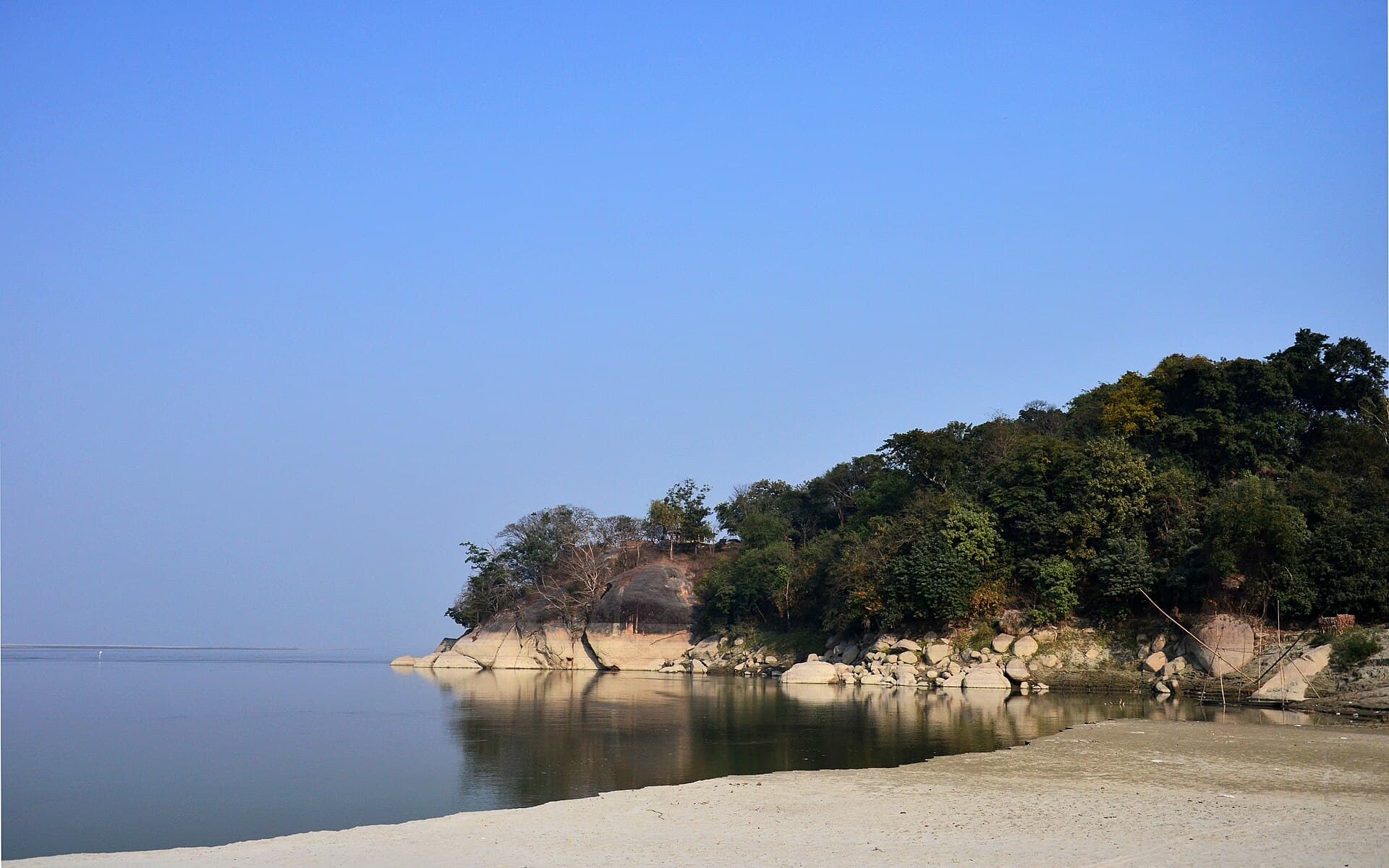
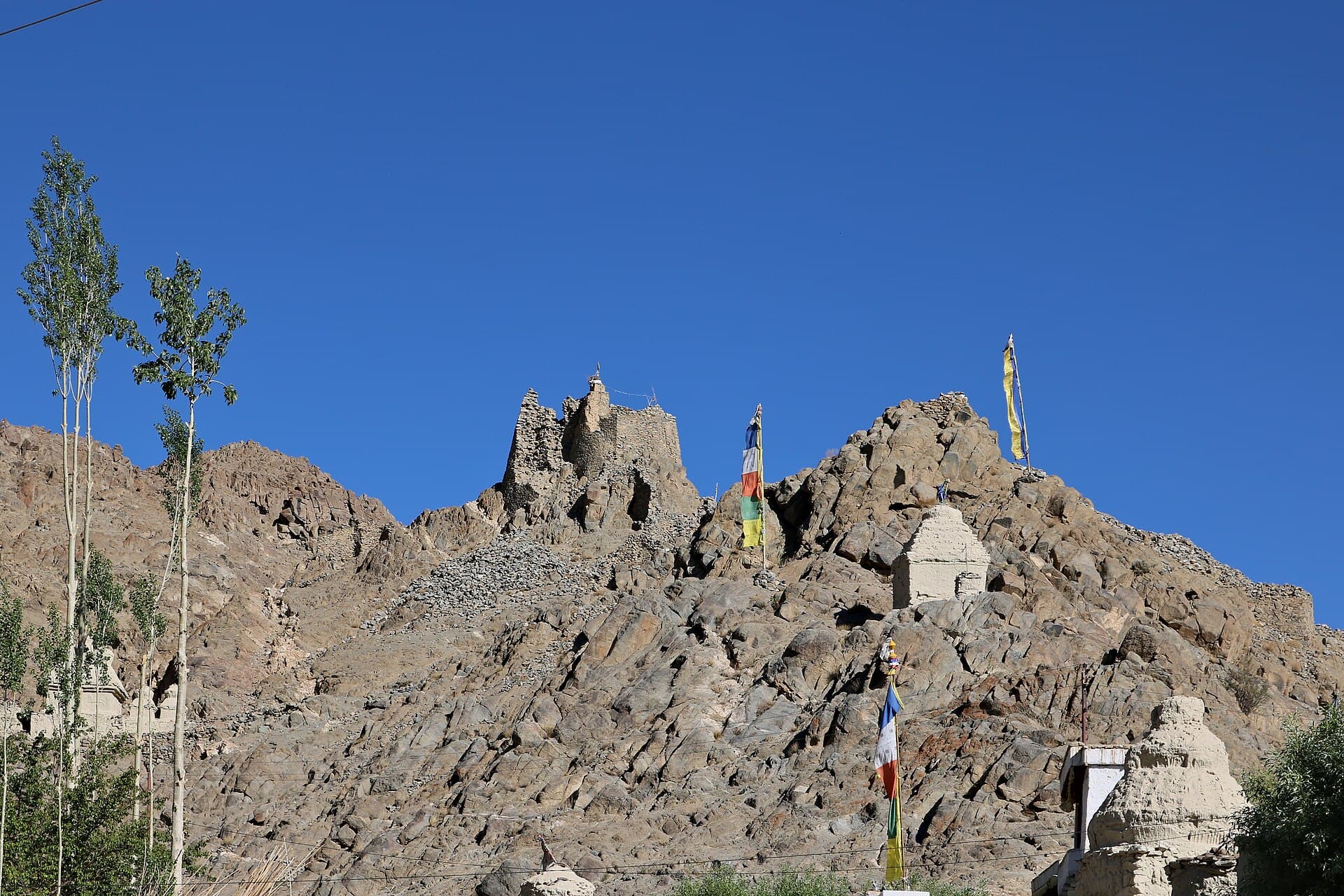
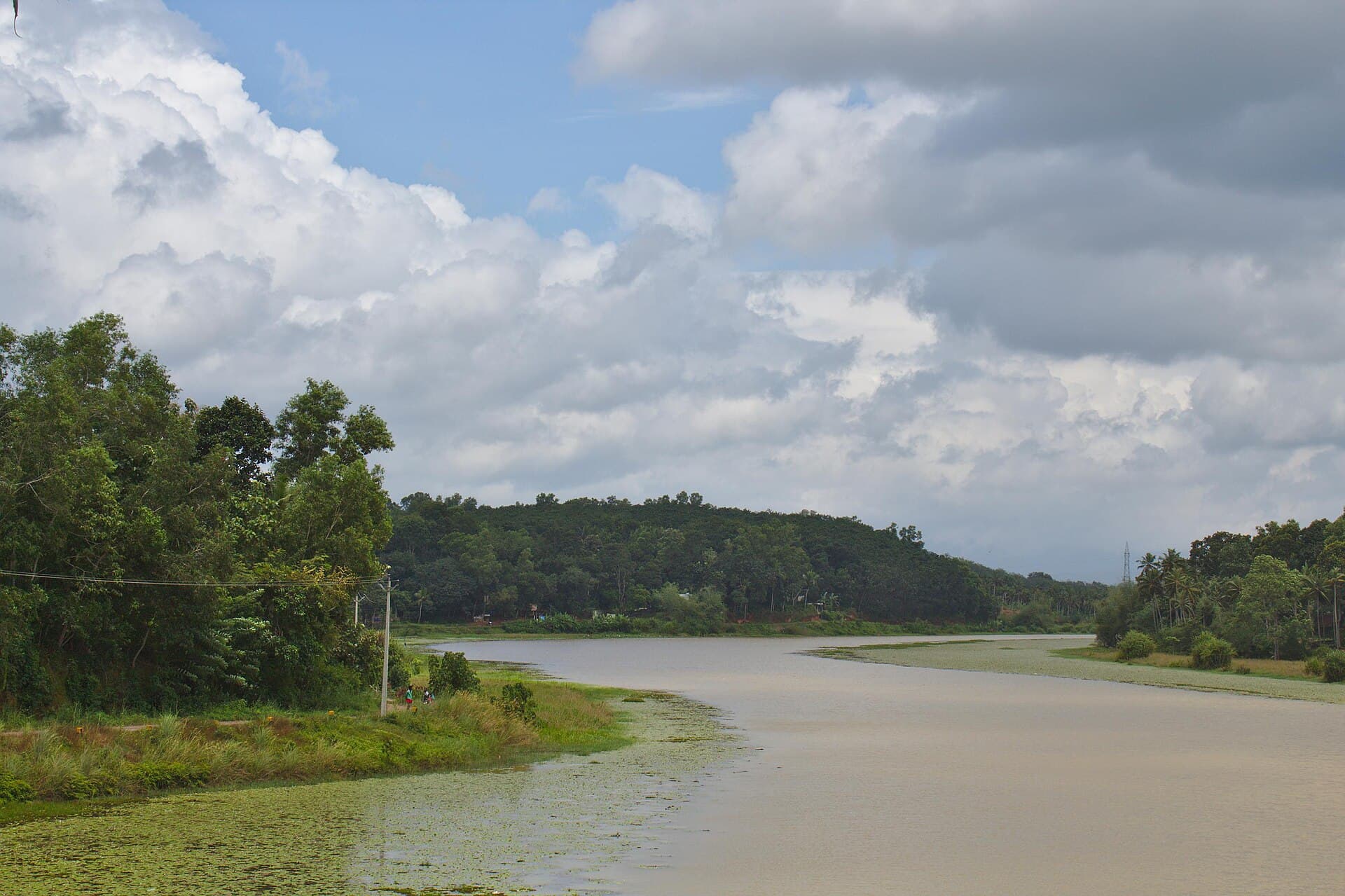
Vipassana centres we list
Chosen from our listings by what this guide covers: 6 of 77. Nobody pays to appear here.





Common questions
Can I leave a Vipassana course early?
You commit to the full course when you apply, and leaving early is strongly discouraged because the technique is taught step by step over the ten days. If something serious comes up, speak to the teacher or the management; they will help you decide.
Do I need any meditation experience?
No. The 10-day course is the introductory course, and most people on it are new. Everything is taught from the beginning.
Can couples or friends go together?
Yes, but you won't see much of each other. Men and women are housed and seated separately, and couples, friends and family don't contact each other until silence ends on Day 10.
Can I do yoga or go for a run?
Not during the course. Yoga, exercise and other practices are paused for the ten days. You can walk in the marked areas during breaks.
Are there shorter courses?
The 10-day course is the starting point. Shorter courses of one to three days are offered only to old students, people who have completed a 10-day course.
What happens after the course?
Students are encouraged to keep practising at home, ideally an hour each morning and evening. Many cities have group sittings, and you can volunteer on a future course.
Ask people who've been
Real answers from the community, not the retreats' marketing.
Community Q&ABrowse next
Sources
- Code of Discipline (opens in a new tab) · Dhamma.org
- Questions and answers about Vipassana courses (opens in a new tab) · Dhamma.org
- Vipassana Meditation as taught by S.N. Goenka (opens in a new tab) · Dhamma.org
- Course schedules and applications (opens in a new tab) · Dhamma.org
We wrote this guide in our own words from the sources above and our research on each retreat's official site. Nothing here is medical advice: talk to your own doctor about your health. Retreats change their rules, dates and prices, so confirm with them before you book. Spotted something out of date? Tell us.
Read next
All guides- First timers
Silent retreats: what to expect, day by day
What silent retreats in India involve, from ten-day Vipassana courses to Buddhist and ashram retreats: what the silence covers, how the days feel, how to prepare, and when it's better to wait.
5 min read
- Practicalities
What to pack for a retreat in India, by kind and season
A practical packing list for a retreat in India: the basics for any stay, what changes for Vipassana, ashram, Ayurveda, yoga and Himalayan retreats, and what to add for summer, monsoon and winter.
5 min read
- Practicalities
How to choose a retreat in India: goal, style, budget, season and distance
A step-by-step way to choose a retreat in India, from what you need to style, budget, season and distance, with the questions to ask before booking and the red flags that should make you walk away.
5 min read
Once a month
New course dates and what's in season, once a month
On the 1st: upcoming course dates, retreats at their best the month after, and the long weekends ahead. Free, and one tap to unsubscribe.