First timers · 5 min read
Silent retreats: what to expect, day by day
What silent retreats in India involve, from ten-day Vipassana courses to Buddhist and ashram retreats: what the silence covers, how the days feel, how to prepare, and when it's better to wait.
Written by RetreatAdvisors editors · Updated October 2026
Quick answers
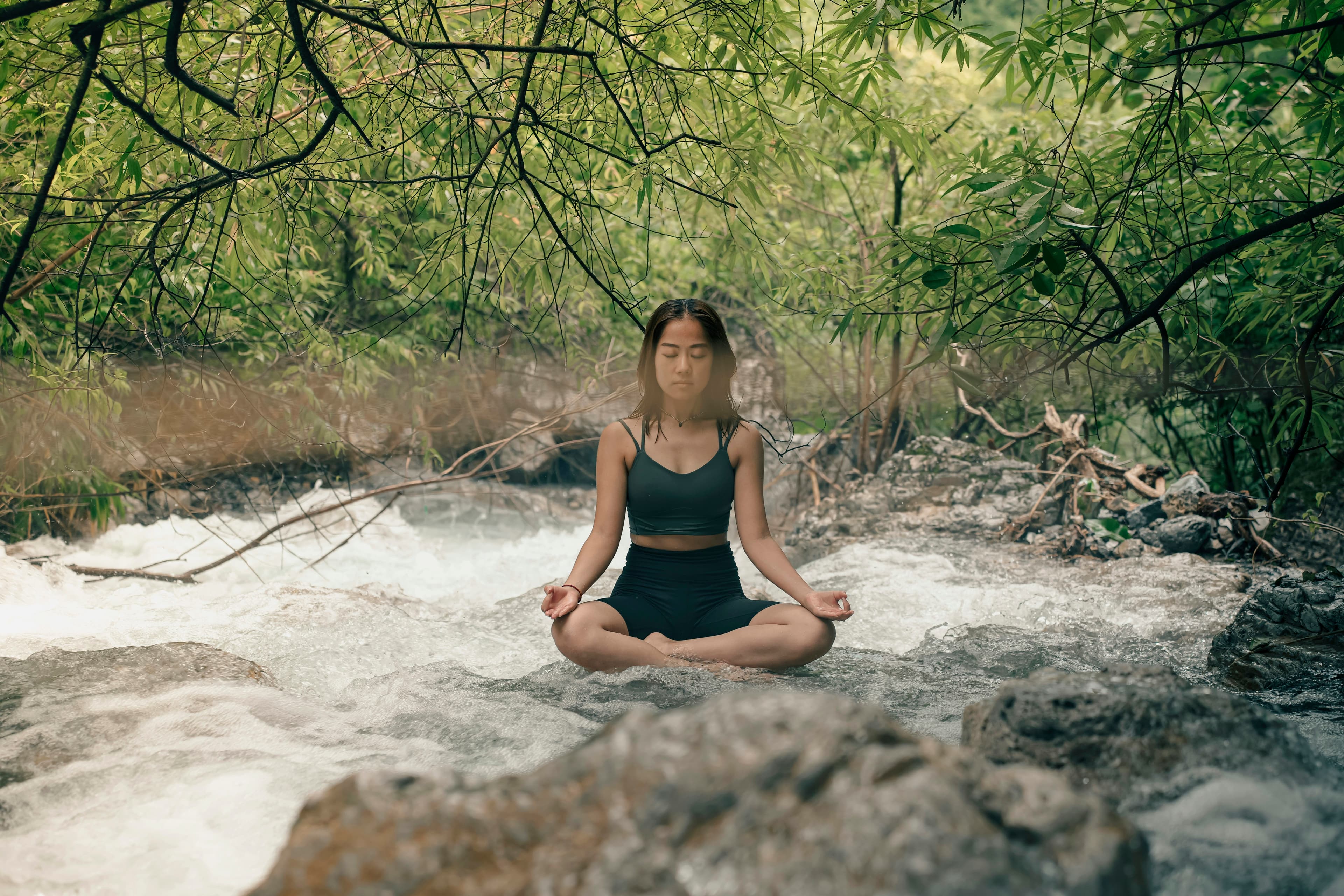
- What is a silent retreat?
- A retreat where you stop talking for some or all of your stay, usually to meditate. Most also ask you to put away your phone, books and notebooks, so there's very little coming in from outside.
- What kinds of silent retreat are there in India?
- Ten-day Vipassana courses are the best known. There are also Buddhist courses in the Himalayas, guided silence programmes at large ashrams, Zen retreats, and ashrams where you can keep silence on your own. We list 95 retreats where silence is part of the programme: 77 Vipassana centres and 18 others, from Buddhist centres in Himachal to ashrams in the south.
- Is a silent retreat hard?
- Usually, at first. The first two or three days bring restlessness, boredom, sore backs and racing thoughts. For most people it settles after that, and many find the quiet the best part.
- Can I keep my phone?
- At most silent retreats, no, or only switched off in your room. 80 of the 95 silent retreats we list ask you to hand it in for the whole stay.
On this page
The kinds of silent retreat in India
We list 95 retreats where silence is part of the programme: 77 Vipassana centres and 18 others, from Buddhist centres in Himachal to ashrams in the south.
- 10-day Vipassana
- The strictest and most widely available: ten days of silence and long hours of meditation, free of charge. Our guide to your first Vipassana course covers it in detail.
- Buddhist courses
- Introductory courses in Tibetan or Theravada traditions, mostly around Dharamshala and Bir in Himachal, with teachings, meditation and silence for much of the day.
- Guided silence programmes
- Some large ashrams run a few days of silence with guided meditation, yoga and talks: gentler, and often a good first step.
- Zen retreats
- Periods of silent sitting and walking meditation, with work practice, at a handful of centres.
- Personal silence
- Some ashrams let you keep silence (mauna) on your own within their daily routine, for as long as you choose.
80 of the 95 run only on fixed course dates, so look at upcoming course dates first. Browse them all in meditation and silent retreats in India or digital detox retreats.
What the silence covers
“Noble silence” usually means more than not talking. Rules differ by retreat, but expect most of these:
- No talking with other participants, and often no gestures, notes or eye contact either.
- Phones, laptops and smartwatches handed in or switched off.
- No reading or writing, including journals, at the stricter courses.
- Meals eaten in silence, often without music.
- You can still speak to the teacher about your practice and to the staff about anything practical, such as a health problem or a leaking tap.
How the days feel
- The first evening
- Often relief. No messages, no small talk, no decisions.
- Days two and three
- The hard part for most people: restlessness, boredom, aches from sitting, thoughts that won't stop, and the urge to leave.
- The middle
- Things tend to settle. Sleep improves, the senses sharpen, and small things (tea, a walk, birdsong) feel bigger than usual.
- Strong feelings
- Old memories and emotions can surface without warning. This is common, and the teacher is there to talk to.
- The end
- Talking again feels loud and tiring. Many people are surprised how much they miss the quiet.
How to prepare
- Sit quietly for 15 to 30 minutes a day for two weeks before you go, so long sittings aren't a shock.
- Cut down on coffee and screens in the last week, and start sleeping earlier.
- Finish work properly and set an out-of-office reply. A half-finished task is hard to put down in silence.
- Give your family the retreat's phone number for emergencies, and tell them you'll be unreachable.
- Read the retreat's rules in full, and pack loose, warm layers; meditation halls are often cold early in the morning.
When to wait
Physical limits are usually easier to manage: ask for a chair or back support if you can't sit on the floor. Pregnancy, recent surgery or a condition that needs regular care are reasons to check with the retreat and your doctor first.
Leaving early, and coming back
You can always leave a retreat; nobody is held there. But courses are built step by step, and many ask you to commit to the whole length. If you want to go, talk to the teacher or staff first rather than slipping away: the urge often passes, and if it doesn't, they'll help you leave safely.
Plan a gentle day afterwards. Don't schedule a long drive, a big meeting or a party straight after. Ease back into your phone slowly, and notice what you'd like to keep from the quiet.
Silent retreats beyond Vipassana
Chosen from our listings by what this guide covers: 6 of 18. Nobody pays to appear here.

 Meditation


 Yoga
Dharamkot, Himachal Pradesh
Best Mar–May, Oct–Nov
Programme from
Programme from ₹5,500 for 5 nights


 Meditation

 Meditation
Kandi village, Himachal Pradesh
Best Mar–Jun, Sep–Nov
Starts from
From ₹12,000 per course

 Meditation

 Meditation
Common questions
Do I need meditation experience for a silent retreat?
Not for most introductory courses, including 10-day Vipassana courses, which teach everything from the start. Some advanced Buddhist and Zen retreats ask for previous experience; their listings say so.
Can couples or friends go together?
Yes, but you won't really be together. Most silent retreats house men and women separately and ask couples and friends not to communicate until the silence ends.
What if there is an emergency at home?
Give your family the retreat's phone number before you go. Staff will pass on genuine emergencies and help you leave if you need to.
Is there a shorter silent retreat to try first?
Yes. Some ashrams and centres run silence programmes of two to five days, and you can keep personal silence for a weekend at a quiet ashram. Look for short stays in meditation retreats.
Ask people who've been
Real answers from the community, not the retreats' marketing.
Vipassana & silence forumBrowse next
Sources
- Code of Discipline (opens in a new tab) · Dhamma.org
- Questions and answers about Vipassana courses (opens in a new tab) · Dhamma.org
- Rules of discipline (opens in a new tab) · Tushita Meditation Centre, Dharamkot
- Silence Retreat (opens in a new tab) · The Art of Living International Center, Bengaluru
We wrote this guide in our own words from the sources above and our research on each retreat's official site. Nothing here is medical advice: talk to your own doctor about your health. Retreats change their rules, dates and prices, so confirm with them before you book. Spotted something out of date? Tell us.
Read next
All guides- First timers
Your first Vipassana course: the 10 days, explained
What a 10-day Vipassana course in the tradition of S.N. Goenka involves, from the 4 am bell to the day silence ends, plus how to apply and choose a centre in India.
9 min read
- First timers
Staying at an ashram: etiquette and what to expect
How to ask for an ashram stay in India, and what to expect once you're there: dress, the daily routine, seva, food, donations and the unwritten rules that make you a welcome guest.
5 min read
- Practicalities
What to pack for a retreat in India, by kind and season
A practical packing list for a retreat in India: the basics for any stay, what changes for Vipassana, ashram, Ayurveda, yoga and Himalayan retreats, and what to add for summer, monsoon and winter.
5 min read
Once a month
New course dates and what's in season, once a month
On the 1st: upcoming course dates, retreats at their best the month after, and the long weekends ahead. Free, and one tap to unsubscribe.